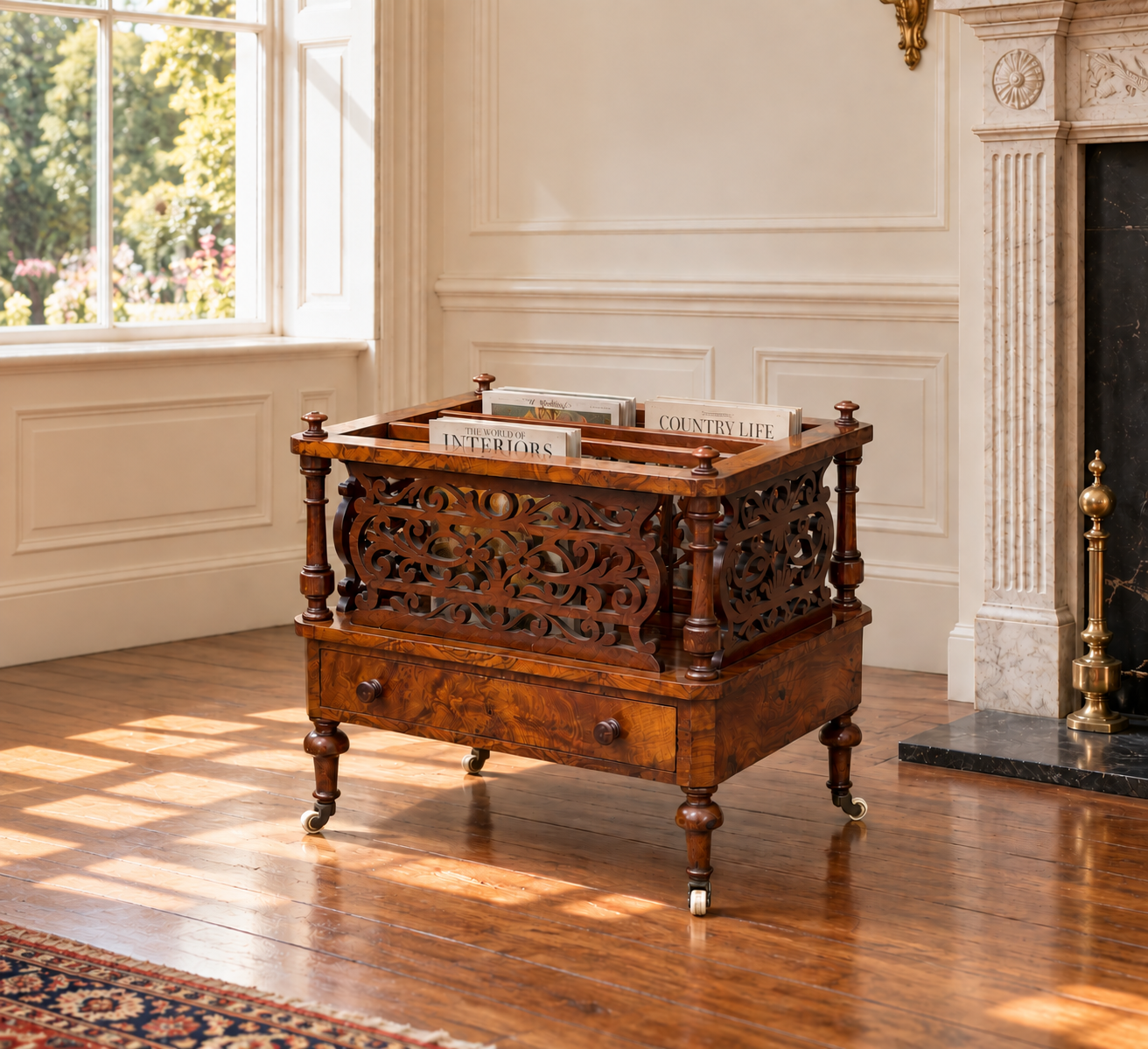
The antiques furniture market has always rewarded patience. Not only when you buy a piece after hunting for the right one, but also when it comes to selling it after it has been with you for a while. Unlike a mass-produced piece that loses its value as soon as it steps out of the showroom, a well-chosen piece of furniture rarely loses its worth overnight, nor does it demand constant attention to preserve its standing. Yet not every antique appreciates in the same manner, and understanding what separates a lasting investment from a passing curiosity requires a discerning eye.
Provenance is of utmost importance. A piece with a documented history—such as previous ownership, a known maker, or an association with a particular estate or workshop—carries considerably more weight than one without a traceable past. Buyers are, in effect, purchasing a story as much as an object, and a verified history lends both authenticity and desirability that no reproduction can replicate.
Craftsmanship matters equally. Antique furniture built during periods when joinery was executed by hand, using dovetail joints, solid timber, and traditional finishing techniques, tends to outlast and outvalue anything assembled with modern shortcuts. A genuine Georgian chest or Victorian desk was constructed to endure generations of daily use, and that inherent durability continues to appeal to buyers looking for substance over disposability.
Condition, counterintuitively, does not always mean flawless. A patina built up over decades, with all of its bumps and bruises, often enhances rather than diminishes value, provided the piece remains structurally sound. Collectors increasingly favour authenticity over restoration, as pieces stripped of their original character rarely hold the same appeal.
Rarity and material also play an important part. Timbers that aren’t readily available anymore, styles that belonged to a specific design movement, or limited-edition pieces naturally command better demand over time. Investing in antiques rewards those who look beyond fashion and toward substance. A piece chosen for its history, craftsmanship, and condition tends not merely to hold its value, but to grow more compelling with every passing year.